The "service life" of door and window seals
2025-12-29
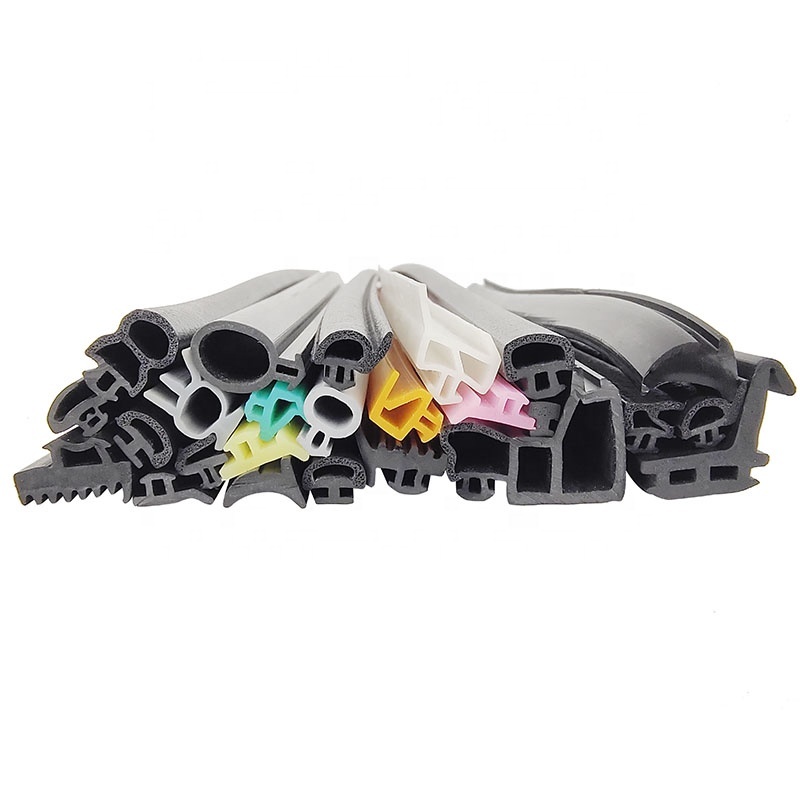
The "service life" of door and window seals (usually referring to weatherstripping/gaskets) is not a fixed number; it is influenced by various factors and typically fluctuates between 5 and 15 years.
We can understand this in detail from the following aspects:
I. Core Influencing Factors
Material Quality (Most Critical Factor)
EPDM (Ethylene Propylene Diene Monomer) rubber: A high-end choice, with excellent weather resistance, ozone resistance, UV resistance, and high and low-temperature resistance. It has the longest service life, usually 10-15 years or more.
Silicone rubber: Excellent performance, wide temperature range, and good flexibility, but high cost. It is mostly used in high-end doors and windows or special environments, and also has a long lifespan.
PVC (Polyvinyl Chloride): The most common low-to-medium-end material. It is inexpensive, but prone to hardening, shrinking, and cracking, especially in cold or sunny environments, resulting in a shorter lifespan, generally 3-5 years.
Thermoplastic elastomer (TPE/TPV): Performance is between EPDM and PVC, environmentally friendly and recyclable, making it a better upgrade option, with a lifespan of 8-12 years.
Environment and Usage Conditions
Climate: Extreme high temperatures (accelerating aging), severe cold (leading to hardening), strong UV radiation (causing powdering and cracking), and coastal salt spray environments will significantly shorten the lifespan.
Frequency of use: The more frequently doors and windows are opened and closed, the more friction and compression the seals experience, leading to faster wear.
Cleaning and maintenance: Regular cleaning and avoiding the use of corrosive chemicals (such as strong acid and alkali cleaning agents) can effectively extend the lifespan.
Installation Process
Improper installation, such as excessive stretching, poor joint treatment, gaps, or wrinkles, can lead to premature failure of the seals.
II. Clear Signals for Replacement
Even if the theoretical lifespan has not been reached, replacement should be done immediately if the following situations occur:
Obvious aging: Hardening, loss of elasticity, breaking easily, surface powdering (shedding), and cracking.
Visible deformation: Permanent compression deformation, inability to rebound, and the appearance of gaps.
Functional failure:
Air leakage: A noticeable airflow can be felt when placing a hand near the window gap.
Water leakage: Water seeps through the corners or gaps of the window during rain.
Reduced sound insulation: Outdoor noise increases significantly. Reduced Insulation: Cold drafts near windows in winter, and increased condensation.
Poor Closing/Abnormal Noise: Requires more force to close, or produces a harsh rubbing sound.
III. How to Effectively Extend Service Life
Choose High-Quality Products: Prioritize window and door brands that use EPDM (ethylene propylene diene monomer) sealing strips. This is the most cost-effective investment in the long run.
Or buying with the professional rubber profiles manufacturer like:Hebei Fengming ....
Correct Installation: Ensure installation is performed by professionals, and check that the corners are seamlessly connected.
Regular Cleaning and Maintenance:
Wipe with a soft cotton cloth dampened with water or a neutral detergent to remove dust and dirt.
After drying, apply a small amount of specialized silicone grease lubricant or petroleum jelly (ensure compatibility with the seal material). This restores surface gloss, enhances elasticity, and reduces friction, which is a very effective way to extend service life.
Caution: Do not use gasoline, paint thinner, strong acids, or strong alkalis for cleaning.
Avoid Rough Handling: Open and close windows and doors with moderate force, and avoid scratching the sealing strips with hard objects.
Summary and Recommendations
Average Lifespan: In a typical home environment and under normal use, high-quality sealing strips (such as EPDM) have a lifespan of 8-15 years, while low-quality PVC strips may need replacement after 3-5 years.
Inspection Frequency: It is recommended to perform a simple check of window and door sealing performance annually during seasonal changes (especially before winter).
Replacement Recommendation: When replacing, it's best to choose sealing strips of the same model and material as the original, or upgrade to a higher-quality material. You can contact the window and door manufacturer or a professional repair technician for assistance.
Final Conclusion: The lifespan of window and door seals is not a fixed point in time, but rather a process of gradual performance degradation. Focusing on their functional performance (whether they are properly sealed) is more important than remembering the exact lifespan. Choosing good materials and performing proper maintenance are key to ensuring their long-term durability.
The next one:
Recommend News


Online Message
We will contact you within one working day. Please pay attention to your email.
Fast track
Contact Us
Contact:Ms.Amy
Mobile: 86-19943495594
Telephone:0319-3252988
E-mail:contact@fmseal.com
Address:Yahu Industrial Zone, Weixian County, Hebei Province